 Found it useful? Share
 Share on Facebook
 Share on X
 Share on LinkedIn
 Share via Email
 Share on WhatsApp
 Print Article
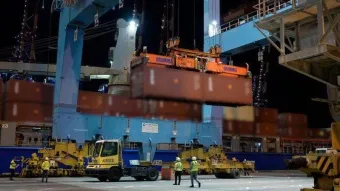
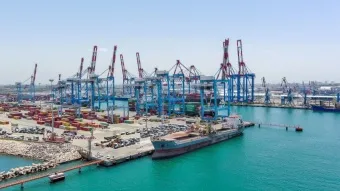
The Israeli Government has approved the Ministry of Transport's proposal to authorize the Israel Ports Company (IPC) to begin operational and economic preparations for the establishment of dry ports in Israel. As part of the decision, IPC will begin identifying strategic locations, examining transportation feasibility, and formulating a business model that will allow for the transfer of logistics operations and customs services from the maritime front to the country's hinterland.
A dry port functions as a logistics center connected by rail or arterial road infrastructure to seaports. This model, implemented in major global ports such as Duisburg in Germany, allows for customs clearance and cargo stripping far from the water's edge. For Israeli importers and exporters, the move is expected to alleviate the shortage of storage space at the ports of Ashdod and Haifa, shorten truck waiting times at port gates, and streamline container release procedures.
Minister of Transport Miri Regev stated: "The approval of the Ministry of Transport's proposal to promote dry ports is a historic strategic move expected to significantly improve Israel's supply chain. This is a revolutionary step that brings the sea to the land. The establishment of dry ports will allow us to streamline processes, shorten transit times, and reduce costs, thereby contributing directly to the fight against the cost of living. This is how we will strengthen the Israeli economy and connect seaports to centers of activity across the country, as part of the 'Connecting Israel' vision."
CEO of Israel Ports Company, Pinhas Tzruya: "This is a national move of the highest strategic importance. The State of Israel is strengthening its economic independence, ensuring the functional continuity of its trade gateways, and creating advanced infrastructure that will serve the Israeli economy for years to come. Israel Ports Company brings extensive experience in leading complex national projects, and I am confident we will lead this project professionally and responsibly. We are proud to take part in this national move, designed to strengthen Israel's trade system and meet the future needs of the economy."
Chairman of Israel Ports Company, Hezi Khalawya: "This is a historic move that will strengthen the economic and strategic resilience of the State of Israel in the long term. The move will enable the acceleration of economic development, with an emphasis on strengthening the periphery, and will contribute to the creation of thousands of new jobs. Alongside this, it constitutes a central pillar in Israel's preparation for the future logistics and commercial landscape of the region."
Director General of the Israeli Ministry of Transport, Moshe Ben Zaken, noted that the move is intended to strengthen supply chain resilience even during emergencies. According to him, dispersing logistics activity and deepening the connection to the railway network will allow for functional continuity and operational flexibility in the event of disruptions at seaports.
Operationally, the establishment of dry ports requires close synchronization with the Israel Tax Authority and the Customs Directorate, as it involves the transfer of goods that have not yet been cleared (Under Bond) to inland points. The success of the venture depends on the ability of IPC and the Ministry of Transport to create an efficient rail link that prevents a situation where inland transport becomes more expensive or slower than staying at the seaport.
Logistics industry sources estimate that the development of these ports will help reduce heavy vehicle traffic in city centers near the ports, but emphasize that the real test will be the economic model—whether the storage and transport costs at the dry port will be competitive enough to attract cargo owners to leave the seaport areas.