 Found it useful? Share
 Share on Facebook
 Share on X
 Share on LinkedIn
 Share via Email
 Share on WhatsApp
 Print Article
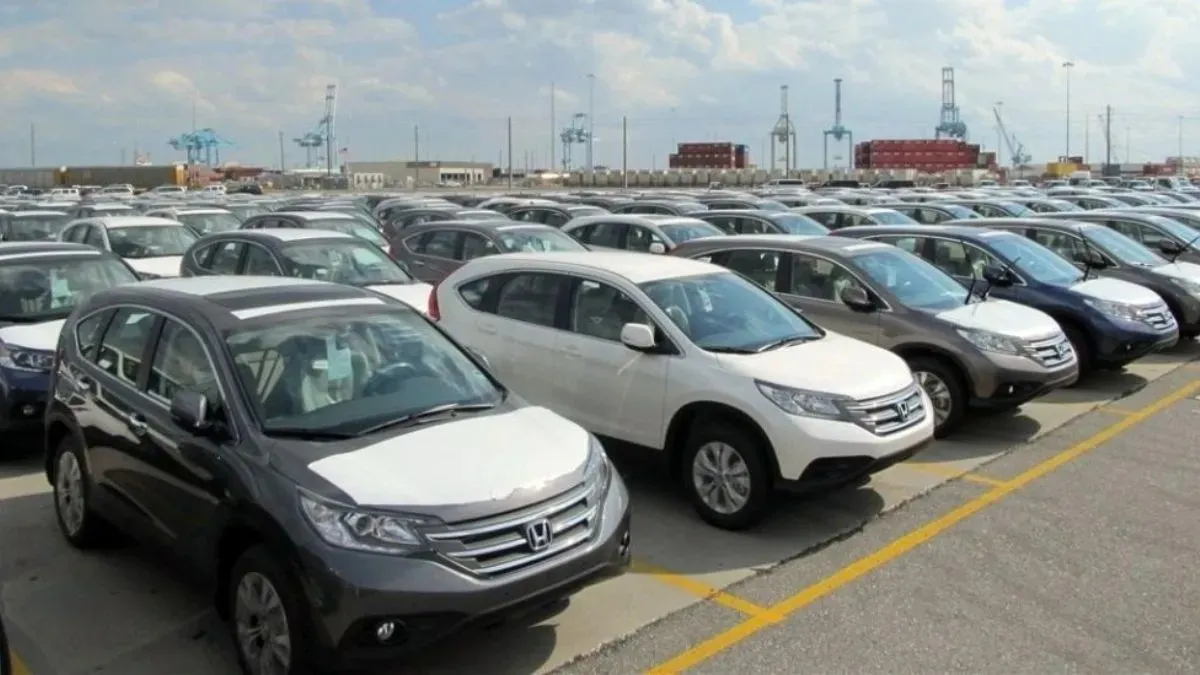
The logistical crisis under operation "Lion's Roar" is intensifying and has now reached the automotive sector. Ashdod Port Company issued an urgent notice toward the end of the week (March 22, 2026) to car importers, stating that it is forced to suspend the unloading of vehicles from Ro-Ro ships. The move follows a temporary order from the Director of the Israeli Shipping and Ports Authority (SPA), Captain Zadok Radker, which established strict restrictions on vehicle storage at the ports.
According to the original SPA directive dated March 22, ports were required to ensure that every vehicle unloaded from a vessel leaves the port premises via direct delivery within only 72 hours. If a vehicle is not evacuated in time, the port is expected to incur sanctions for every day of delay. The temporary order clarified that port companies are expected to enforce this directive at the "chassis" and individual shipment level.
Port Response: "No Means of Enforcement"
Ashdod Port officials claim that this is a decree that neither the public nor the port can comply with. "Since the port company has no means of enforcing the directive at the level of each individual chassis and manifest (as opposed to enforcing total quantity only), the port company is forced to inform you that all unloading of vehicles from Ro-Ro ships at Ashdod Port will be suspended," the official notice from the port's Customer Division stated.
The suspension of unloading will remain in effect until the SPA policy is amended or the temporary order is rescinded, as the port remains in discussions with the relevant authorities to resolve the matter.
It should be noted that the SPA's move was intended to prevent ports from turning into "parking lots" for cars at the expense of unloading other essential cargo required for the national campaign; however, it appears that the implementation on the ground has led to a total paralysis of new vehicle unloading in Israel.