 Found it useful? Share
 Share on Facebook
 Share on X
 Share on LinkedIn
 Share via Email
 Share on WhatsApp
 Print Article
Ashdod Port Company has published its 2025 Corporate Responsibility (ESG) report, detailing the company's activities during a year characterized by a gradual transition from a continuous emergency reality to cautious stabilization, alongside significant security, operational, and economic challenges.
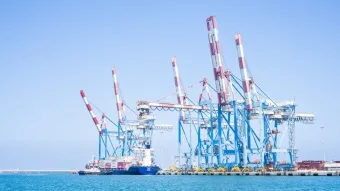
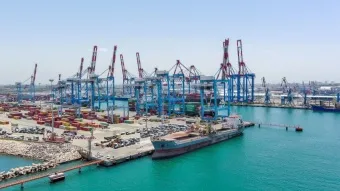
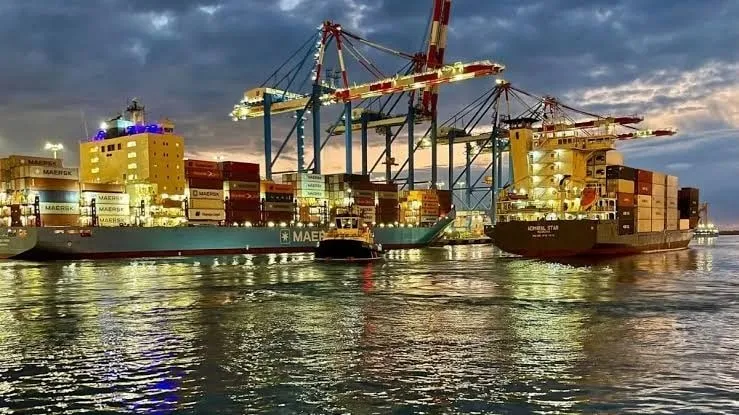
The report focuses on the port's role as a vital national infrastructure and a primary maritime gateway for the Israeli economy, while maintaining full functional continuity, ensuring the flow of goods to and from Israel, and strengthening security and operational resilience.
The 2025 report emphasizes three main pillars of the company's activity: operational and security resilience, innovation as an organizational approach, and broad corporate responsibility. These are integrated alongside the development and retention of human capital, ensuring employee safety and quality of service for customers, and expanding activities within the community in the city of Ashdod and its surroundings.
Target 2030: A Comprehensive Plan for Emission Reduction and Maritime Sustainability
In the environmental field, the report presents a long-term strategic plan to reduce greenhouse gas emissions by 2030. The plan includes large-scale initiatives, such as the electrification of operational equipment, transitioning to electric ERTG cranes, connecting ships to shore power (Cold Ironing), converting lighting systems to LED, reducing truck traffic within port areas, and promoting electric transportation and renewable energy.
As a result of these measures, energy consumption intensity at the port continued to improve, decreasing from 14.4 megajoules (MJ) per ton handled in 2023 to 14.2 in 2025.
Additionally, the port continues to operate a continuous air monitoring system including five stations, alongside strict environmental supervision of loading and unloading, runoff water treatment, and the use of dust suppression measures. During the year, over 70 environmental protection training sessions were conducted for contractors and permit holders operating within the facility.
Community Engagement and National Resilience
The report also notes the continued strengthening of ties with the local community through educational and social initiatives. Simultaneously, the port's Visitors Center continues to make port activities accessible to the public, students, and professional delegations from Israel and around the world, as part of the perception of the port as a central economic and social anchor.
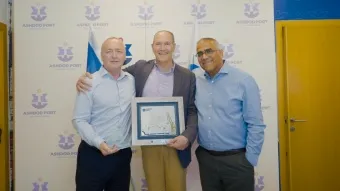
Shaul Schneider, Chairman of the Ashdod Port Company Board of Directors: "The year 2025 once again illustrated the vital role of Ashdod Port for the Israeli economy and national resilience. Even in a period of uncertainty and ongoing challenges, the port continued to operate with responsibility, professionalism, and transparency, with a commitment to employees, customers, the community, and the environment."
Nissan Levy, CEO of Ashdod Port Company: "The work presented in the report reflects the commitment and dedication of the port's employees, and the continuous investment in improving service, safety, innovation, and sustainability. We will continue to act as a leading, advanced, and responsible port, contributing to the Israeli economy and the general public."