 Found it useful? Share
 Share on Facebook
 Share on X
 Share on LinkedIn
 Share via Email
 Share on WhatsApp
 Print Article
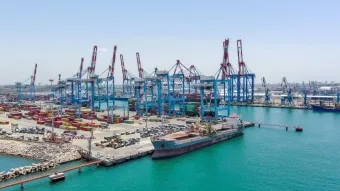
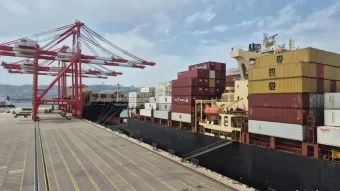
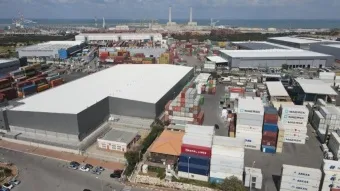
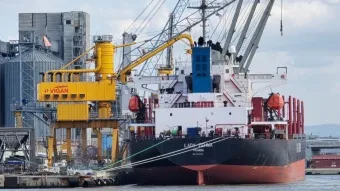
The Accountant General at the Israeli Ministry of Finance, Michal Abadi-Boiangiu, announced today (Thursday) the reactivation of the national cargo insurance program against war and terror risks, effective September 1, 2026. The program, managed via the Israel Tax Authority's Compensation Fund, aims to safeguard trade continuity, supply chain resilience, and the functional stability of the State of Israel.
The program, which was active until mid-June, has previously supported dozens of importers and exporters, insuring cargo valued at over $1 billion. Following appeals from the business sector and various chambers of commerce, and to mitigate private market barriers and anticipated bottlenecks, the Insurable Asset Committee has moved to renew the initiative.
Accountant General Michal Abadi-Boiangiu stated: "At a time when security risks along global trade routes remain a significant challenge, we must deploy tools that provide economic certainty and ensure the steady flow of essential goods to Israel. The relaunch of this cargo insurance scheme serves as a vital layer of national protection."
Director of the Israel Tax Authority, Shay Aharonovich, added: "The decision to extend the cargo insurance program reflects the government's commitment to maintaining Israel's trade and supply chain integrity under current security complexities. This program has proven to be an effective solution during periods when commercial insurers retreat from such high-risk exposure. The state will continue to act as a reliable anchor when market intervention is required. This responsible measure ensures the economy is not left vulnerable to uncertainty in this challenging environment."
Senior Deputy Accountant General and Director of the Finance and Credit Division, Gil Cohen, noted: "Renewing this program demonstrates systemic responsibility for Israeli trade continuity, a critical pillar of our economic resilience. By utilizing strategic financial tools, we guarantee the continuity of economic activity and functional stability even during volatile periods."