 Found it useful? Share
 Share on Facebook
 Share on X
 Share on LinkedIn
 Share via Email
 Share on WhatsApp
 Print Article
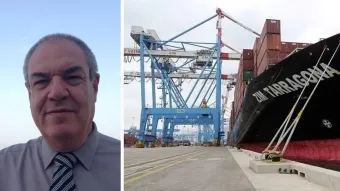
Israeli shipping company ZIM announced today (October 6, 2026) a sharp positive update to its financial forecasts for the full year 2026.
The company attributes the update to continued strong demand for container shipping worldwide, alongside maintaining high and profitable freight rate levels.
According to the updated report, ZIM now expects to generate an Adjusted EBITDA in 2026 in the range of $2.7 to $3.0 billion, alongside an operating profit from shipping activities (Adjusted EBIT) in the range of $1.4 to $1.7 billion.
This represents a dramatic upgrade compared to the previous forecast published by the company in mid-August, which projected an Adjusted EBITDA of $2.0 to $2.4 billion and an operating profit of only $700 million to $1.1 billion.
Examining the midpoint of the new forecast compared to the previous one shows an increase of approximately 30% in the company's cash generation capacity and a jump of about 72% in the bottom line of operating profit.
"Operational Flexibility Amid Market Volatility"
ZIM's positive update comes despite a particularly challenging geopolitical and operational environment. In its filing with the U.S. Securities and Exchange Commission (SEC), the company notes a series of uncertainties affecting the industry, including ongoing military conflicts in the Middle East, Houthi attacks against vessels in the Red Sea, implications for the Strait of Hormuz, the Russia-Ukraine war, fuel price fluctuations, and transit restrictions in the Panama Canal.
Additionally, the report refers to structural developments in the industry, including cooperation agreements between shipping companies, changes in the vessel fleet, and the pending transaction with the shipping company Hapag-Lloyd.
The company emphasizes that its business model, based on flexible fleet management and targeting profitable trade routes, allows ZIM to quickly capitalize on market opportunities and translate positive price trends into a sharp increase in profits.