 Found it useful? Share
 Share on Facebook
 Share on X
 Share on LinkedIn
 Share via Email
 Share on WhatsApp
 Print Article
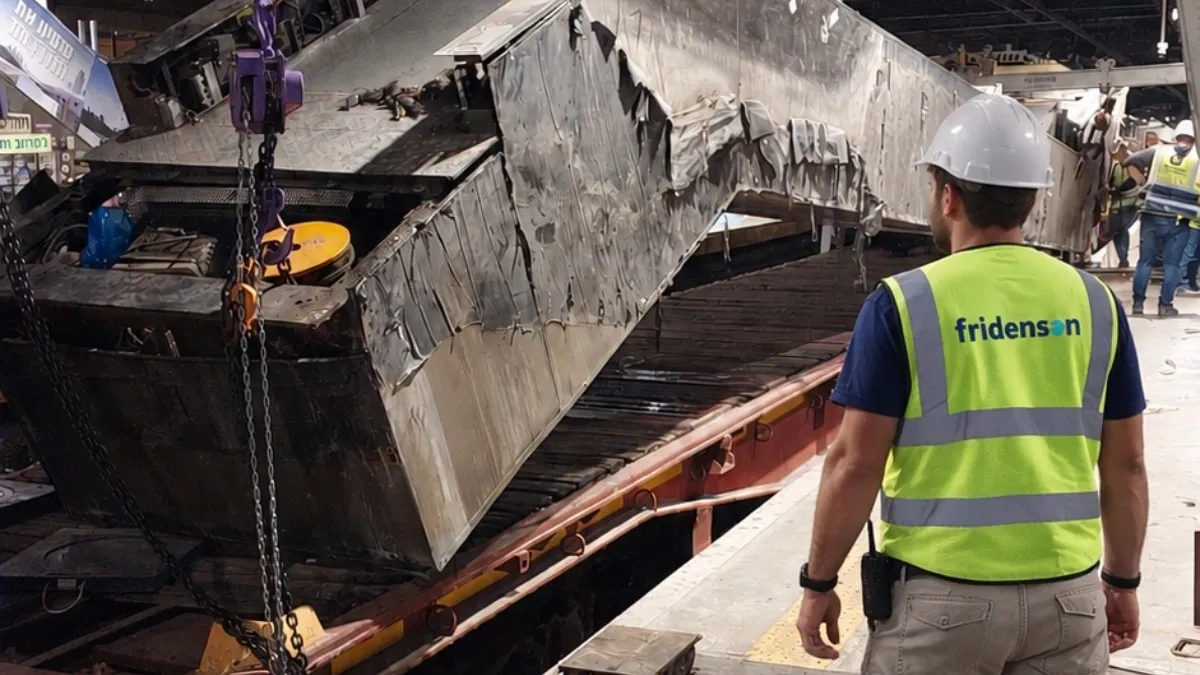
Over eight nights of work, the Fridenson Group executed a complex logistical and operational project at the Tel Aviv HaShalom Railway Station, which included the dismantling and replacement of two inactive escalators. The work was carried out during nighttime hours, adhering to strictly defined time windows and the requirement to return the station to regular activity every morning.
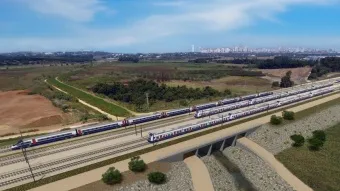
The project included several logistical and operational stages: the new escalators were first transferred to the Holtz station, where they were loaded onto rail cars and transported by train to the HaShalom station. Upon their arrival at the station, the unloading of the new escalators, the removal of the old systems, and the placement of the new systems in their locations were carried out.
One of the central challenges in the project was performing the lifting and transport work within an active railway station, under complex field conditions and within a limited timeframe. For this purpose, a dedicated array was used that included aluminum tripods, winches, and specialized lifting equipment, which allowed the work to be performed in a controlled and precise manner throughout the stages of unloading, transport, and placement.
The works were spread over eight nights, each of which required meticulous advance planning and coordination between the involved parties, alongside meeting the established schedules. The project was completed according to plan and without malfunctions.
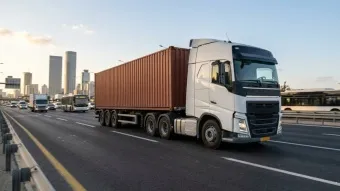
It should be noted that the activity at the HaShalom station is part of the Fridenson Group's project services array. Alongside international freight forwarding, transportation, storage, and supply chain solutions, the group performs and manages complex logistical and engineering projects, including the establishment and relocation of factories, dismantling and assembly of systems and equipment, as well as the transport and placement of heavy and exceptional cargo.
The company's spokesperson stated: "Projects of this type require a combination of logistical planning, specialized equipment, coordination between several parties, and the ability to execute under changing field conditions – from the planning stage to the completion of the work on-site."