 Found it useful? Share
 Share on Facebook
 Share on X
 Share on LinkedIn
 Share via Email
 Share on WhatsApp
 Print Article
The Israeli government approved last night (Wednesday) the joint proposal of the Minister of Transport, Miri Regev, and the Minister of Finance, Bezalel Smotrich, to establish a state budgetary participation mechanism for the expenses of Israeli airlines. The grant is intended to cover the costs of "empty flights" carried out due to severe safety, security, and operational restrictions during Operation "Lion's Roar."
The total scope of government assistance will stand at up to 55 million NIS for the year 2026. The detailed compensation mechanism will be formulated by the Israeli Ministry of Transport, through the Civil Aviation Authority of Israel (CAAI), and with the agreement of the Ministry of Finance.
The Operational Constraint: Aircraft Relocation and Parking Shortage at Ben Gurion Airport
During Operation "Lion's Roar," Israeli airports—primarily Ben Gurion Airport (TLV)—operated under a series of emergency restrictions that directly affected the functioning of local air carriers. Among the main constraints created:
Strict restrictions on passenger numbers and aircraft ground stay times.
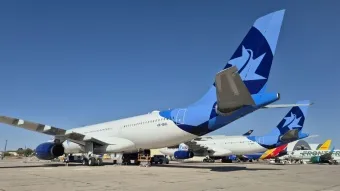
A severe shortage of aircraft parking spaces, partly due to the occupation of parking positions at Ben Gurion Airport by aircraft from the US military and government.
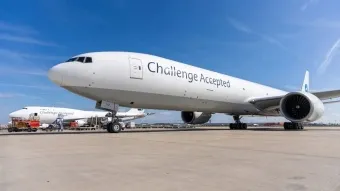
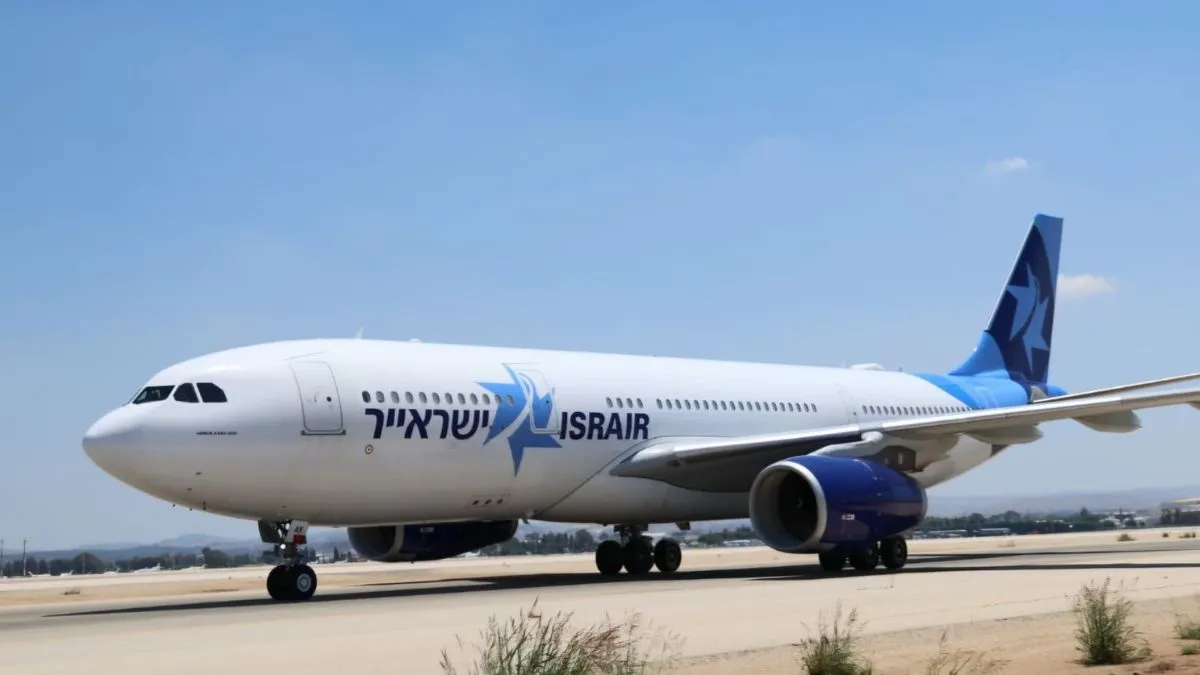
Due to these operational constraints, Israeli airlines (El Al, Israir, and Arkia) were forced to fly empty planes abroad solely for parking or repositioning purposes, in order to clear space at Ben Gurion Airport and allow the continued operation of the regular flight schedule. These flights generated exceptionally high fuel, fee, and crew costs for the Israeli companies, which could not be covered through ticket sales.
The Compensation Mechanism: Two Support Tiers and Financial Conditions
To balance budgetary support with the prudent use of public funds, the government compensation will consist of two stages contingent on steps taken by the companies and their shareholders, and can reach a total of up to two-thirds (67%) of recognized expenses:
First tier (33.5% refund): Receiving an initial refund for recognized expenses, subject to a rigid commitment by the airlines not to distribute dividends or profits to shareholders for a full year.
Second tier (up to an additional 33.5% refund): Receiving a supplementary refund, contingent on the airline's shareholders injecting new equity into the company in an amount equal to that provided by the state (Matching mechanism).
Minister of Transport, Miri Regev: "Israeli airlines have proven once again that they are a strategic asset for the State of Israel and constitute a vital component in maintaining aviation continuity during emergencies. They bore a significant national burden and performed flights that were forced upon them. The government's decision expresses our commitment to help them bear the unusual costs, while balancing the responsibility for the prudent use of public funds."
Minister of Finance, Bezalel Smotrich: "Airlines constitute a significant strategic pillar in our national resilience, certainly during days of combat. Together, we have formulated a balanced and responsible assistance outline, combining necessary government support with a requirement for business commitment and capital injection from shareholders. This is the right way to manage the economy during an emergency—through mutual guarantee and strict budgetary responsibility."
It should be noted that the financial stabilization of Israeli airlines is critical for maintaining the operational continuity of the economy. Ensuring the economic resilience of Israeli carriers, which often serve as Israel's only aerial lifeline during emergencies and military operations, prevents severe disruptions in the transport of passengers and essential cargo to and from the country.