 Found it useful? Share
 Share on Facebook
 Share on X
 Share on LinkedIn
 Share via Email
 Share on WhatsApp
 Print Article
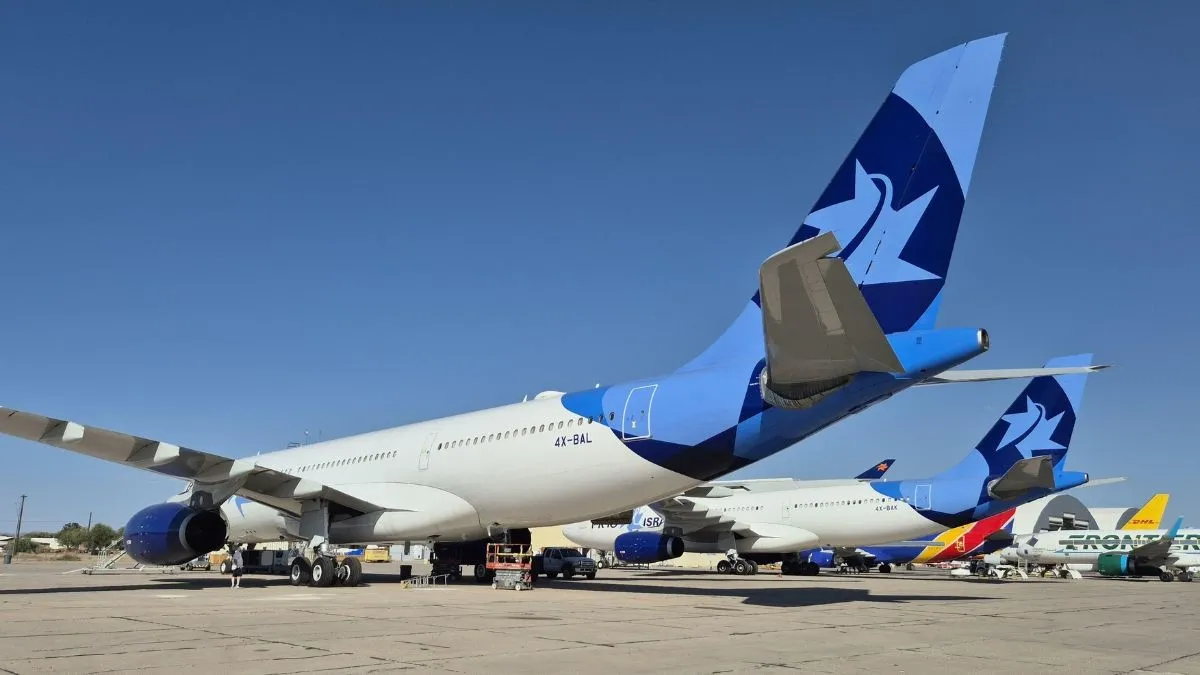
Israir Airlines announced Tuesday morning the completion of a strategic and historic move: the purchase, financing, registration, and licensing of the first two wide-body aircraft in the company's fleet. This step marks Israir's entry into a new era of aviation and commercial activity, making it only the second Israeli airline, alongside El Al, to own and license wide-body aircraft.
The two acquired aircraft form the foundation for establishing Israir's wide-body division, which, according to company plans, is expected to expand soon to include four aircraft. The move, led by the company's board of directors, was executed on an accelerated schedule and included independent aircraft sourcing, completion of complex financing agreements, and official registration in the company's books and the records of the Civil Aviation Authority of Israel (CAAI).
Management stated that negotiations and the regulatory process were conducted against the backdrop of security tensions and the campaign against Iran, but the pace of work was not affected. In the next stage, planned for the coming three weeks, Israir will focus on completing operational licensing procedures for air and ground crews in Israel and the United States, ahead of the full integration of the aircraft into the future flight schedule.
As part of the operational preparations for receiving the aircraft, Israir launched a dedicated recruitment process for professional personnel. The company notes that approximately 150 pilot applications have been submitted so far for the new flight division, a figure they say reflects high confidence in the company's financial stability and growth potential.
In its official announcement, Israir thanked the Civil Aviation Authority of Israel for the professional guidance and regulatory support throughout the complex process. The company views this move as a turning point that will allow it to expand its operational independence, open new long-haul routes, and offer the cargo and passenger markets more diverse and competitive aviation solutions than in the past.