

Security tensions in the region continue to impact air travel to Israel, with several foreign airlines announcing cancellations or reductions in flights to Ben Gurion Airport, including transitioning to daytime-only flights or temporarily suspending routes. Against this backdrop, the expansion of operations by Etihad Airways, which continues to operate in Israel at high volumes in both passenger and cargo sectors, stands out.
Etihad Airways currently operates six daily flights on the Tel Aviv-Abu Dhabi route, thereby establishing Abu Dhabi as a central hub for connecting Israel to the company's global network of destinations in the Far East, Asia, Australia, and beyond.
In parallel with passenger operations, the company's cargo division, Etihad Cargo, continues to expand its operations in Israel. The cargo is carried both in the belly of passenger aircraft operating on the route and through two dedicated Boeing 777F cargo aircraft each week, each with a capacity of over 100 tons of cargo.
At Rom Top Aviation, which represents Etihad Cargo in Israel, it was noted that this activity continues and is primarily intended to respond to the sharp increase in eCommerce volumes arriving in Israel from Far East destinations.
Industry sources note that the combination of a high frequency of passenger flights and dedicated freighter activity gives Etihad a significant operational advantage, especially in times of uncertainty, when air capacity becomes a critical resource for importers, exporters, and Israeli shipping companies.
Rom Top noted that the continued expansion of Etihad's operations in Israel is not a one-off move. During 2025, amidst waves of flight cancellations by foreign airlines, the company significantly expanded its cargo capacity on the Tel Aviv-Abu Dhabi route by integrating wide-body aircraft, making the route one of the main supply arteries of the Israeli market. This move established Abu Dhabi as a central logistics hub for cargo from and to Israel.
In the aviation and logistics industry, the continuation of Etihad's operations, especially during a sensitive security period, is seen as an expression of a long-term strategy and ongoing confidence in the Israeli market.
Etihad Continues Extensive Air Operations to Israel Despite Security Tensions
Despite regional security tensions, Etihad Airways continues to operate high-volume flights and cargo services to Israel, highlighting its long-term commitment to the Israeli market.
18:01 ,15.01.2026
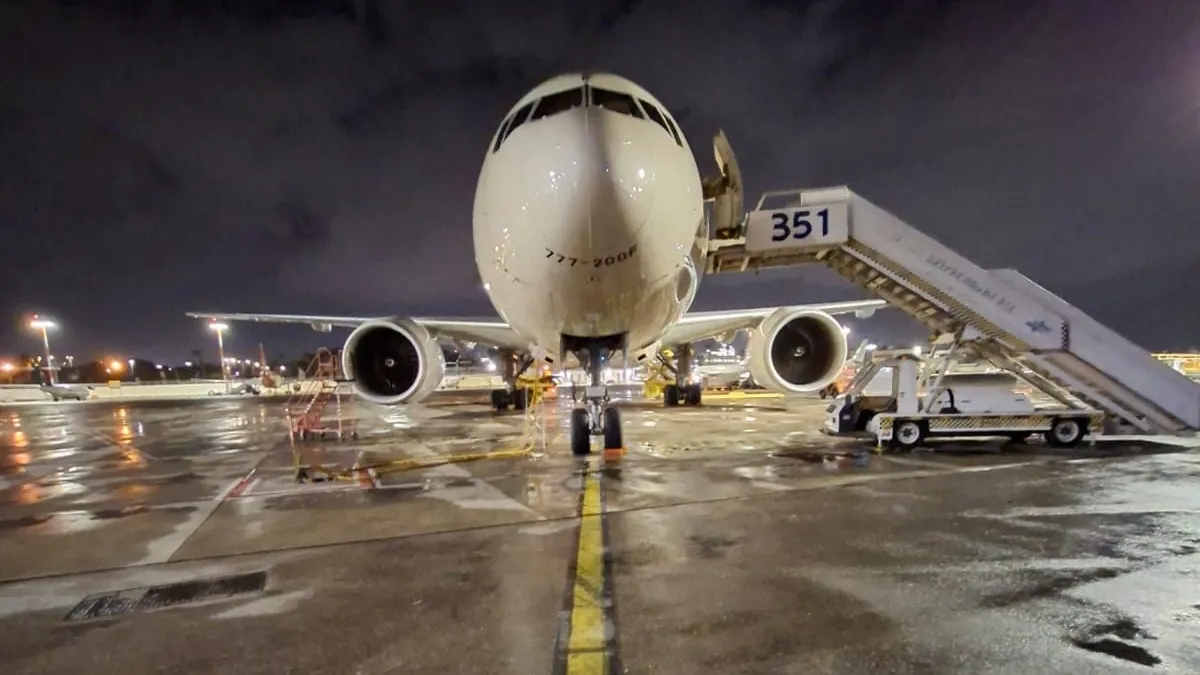
Etihad Continues Extensive Air Operations to Israel Despite Security Tensions
-
 Found it useful? Share
-
 Share on Facebook
-
 Share on X
-
 Share on LinkedIn
-
 Share via Email
-
 Share on WhatsApp
-
 Print Article
Found it useful? Share
Related
 06.01.2026
El Al Declares $100 Million Dividend for 2025 Earnings
 01.01.2026
El Al's Departing CEO: Honored to Head a Symbol of Israeli Strength
 30.12.2025
Etihad Cargo Undertakes Complex Logistics Operation: Flying Kangaroos from Israel to Moscow
 30.12.2025
Historic Milestone: Etihad Airways Launches Six Daily Flights on Tel Aviv-Abu Dhabi Route
 23.12.2025
Rome Joins as Fifth European Hub in Lufthansa Cargo's Expansion to Israel
 16.12.2025
New Collective Agreement for Lufthansa Employees in Israel