 Found it useful? Share
 Share on Facebook
 Share on X
 Share on LinkedIn
 Share via Email
 Share on WhatsApp
 Print Article
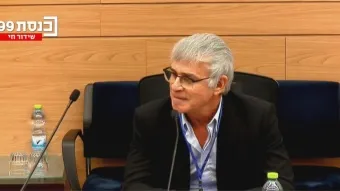
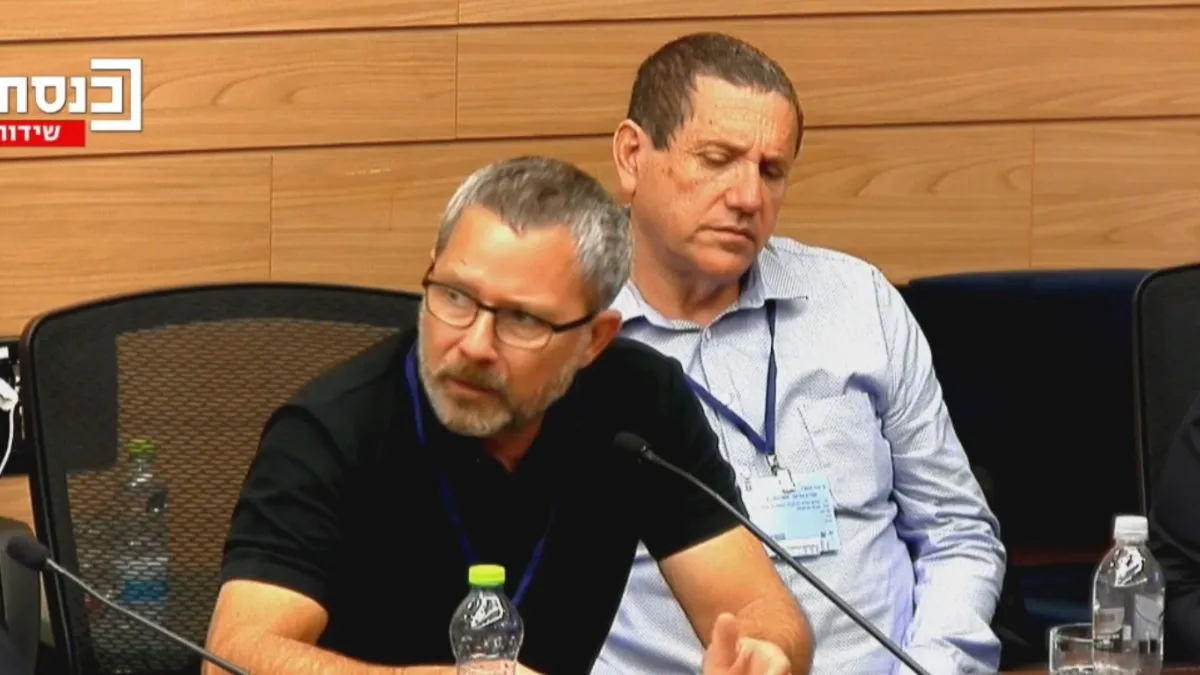
The Knesset Economic Committee convened yesterday (Sunday) for an urgent discussion on the strategic implications of selling the ZIM shipping company to the FIMI Opportunity Funds. The session revealed a direct confrontation between state representatives, who allege information concealment and potential harm to supply security, and FIMI management, which presents a business model of a profitable company with a modern fleet and no stifling leverage.
At the center of the discussion was the question of an Israeli shipping company's ability to function under the state's "Golden Share," particularly in light of the lessons from October 7. Committee Chairman MK David Bitan and MK Oded Forer expressed concern that the deal's structure would lead to the establishment of a weak company unable to bear national responsibility during times of emergency.
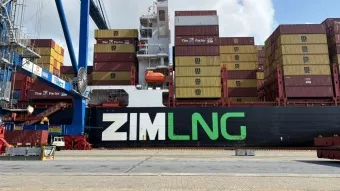
Ishay Davidi, founder and CEO of FIMI Fund, presented data contradicting the "weakened company" perception. According to him, the "New ZIM" will be based on $700 million in equity with no external debt, unlike the current ZIM which holds liabilities estimated at $5-6 billion due to ship leasing. Davidi emphasized that the planned fleet will include 16 vessels (12 of which are fully owned), which will be more modern than the existing fleet.
Conversely, Captain Zadok Radker, Director of the Israeli Shipping and Ports Authority (SPA), expressed deep skepticism regarding the economic feasibility of the move. Radker noted that the global shipping industry is facing a downturn and that without the critical mass of a large company, the "lean" version of ZIM could quickly collapse economically.
Galit Viderman, Deputy Director of the Government Companies Authority, sharply criticized ZIM's conduct, noting that the company did not provide the required details according to the Golden Share terms prior to signing the deal. "The company does not respect the state authorities," Viderman said during the discussion.
A representative from the Israeli Ministry of Defense emphasized the critical importance of the continuous transport of defense equipment, while representatives of the workers and the Histadrut (General Federation of Labour) warned of mass layoffs. According to the Chairman of the Workers' Committee, Oren Kaspi, out of approximately 1,000 employees, temporary contracts were offered to only 120, raising concerns about the loss of professional knowledge and damage to Israel's operational independence regarding Eastern ports.
Chairman Bitan concluded the meeting by demanding that ZIM immediately transfer all information to the Government Companies Authority. The committee will later hold a classified session focusing on security solutions and the terms of the Golden Share to ensure that Israel's maritime transport continuity is not compromised.