 Found it useful? Share
 Share on Facebook
 Share on X
 Share on LinkedIn
 Share via Email
 Share on WhatsApp
 Print Article
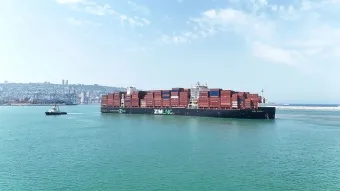
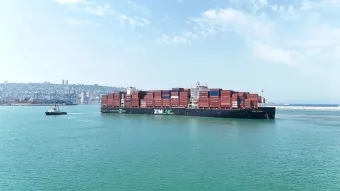
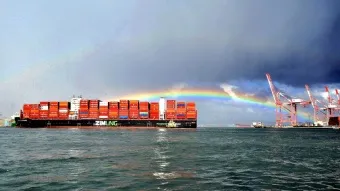
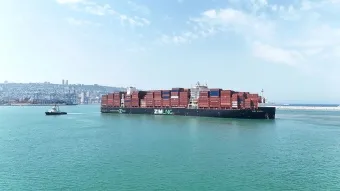
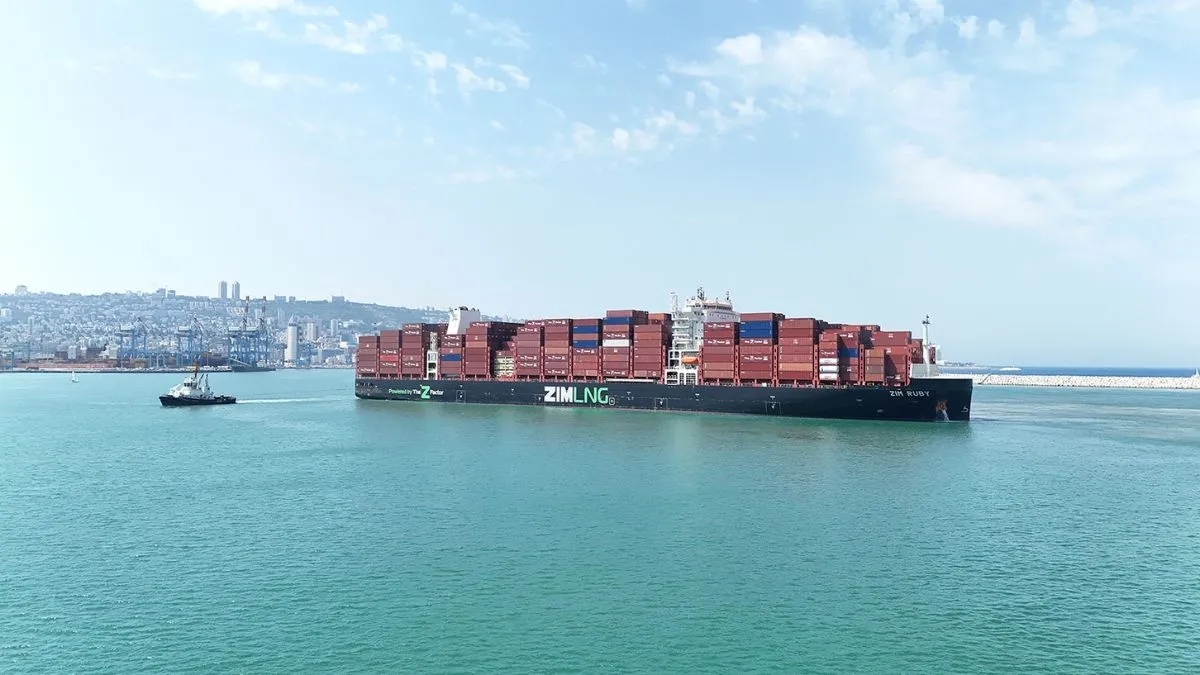
The Israeli logistics and shipping sector faces one of its most significant moves in decades: the former national shipping company, ZIM, is on the verge of acquisition by a consortium comprising German shipping giant Hapag-Lloyd and Israel's largest private equity fund, FIMI, led by Ishay Davidi.
The deal, details of which began to emerge this morning, is estimated at over $3.5 billion—a significant premium over the company's market value on the New York Stock Exchange, which recently stood at approximately $2.7 billion. ZIM stated this morning that "ZIM does not comment on reports."
The primary challenge in selling ZIM to a foreign company has always been the "Golden Share" held by the State of Israel, which ensures the company can meet the state's strategic needs during emergencies. To bypass this obstacle, a split-operation model has reportedly been formulated:
The Israeli Arm ("New ZIM"): FIMI Fund will acquire operations essential to the State of Israel. This includes a fleet of 16 company-owned vessels flying the Israeli flag, which can be mobilized by emergency order. Additionally, FIMI will manage direct lines to and from Israel, the company's Haifa headquarters, the IT infrastructure, and Israeli human resources management. This entity will be subject to strict regulation by the Israeli Ministry of Defense and the Israeli Ministry of Transport.
The Global Arm: Hapag-Lloyd, ranked among the world's top five shipping lines, will take over the bulk of ZIM's operational volume. This includes approximately 99 currently chartered vessels, the network of international cross-trade routes that do not pass through Israeli ports, and the global marketing and sales apparatus. Furthermore, the Germans will gain access to the digital technologies ZIM has developed in recent years, which are considered advanced within the industry.
Workers' Union: "We were surprised by the reports; the struggle continues."
Despite the buyers' optimism, tensions are high in Haifa. ZIM's workers' union, which has been campaigning against the sale for months due to fears of mass layoffs and harm to employment terms, claims that the company's management and board of directors sidelined them from the process.
"We were surprised to discover the tender results from the media while we are still negotiating with the board," the union stated. Employees fear that the split between Israeli and global operations will lead to role duplication and extensive cuts at the Haifa headquarters, threatening to escalate organizational measures.
Unlike previous sale attempts that met fierce government opposition, the political echelon currently appears to be giving a quiet green light. Israeli Minister of Transport Miri Regev, Minister of Defense Israel Katz, and Minister of Finance Bezalel Smotrich have yet to express public opposition. It seems that FIMI's involvement and keeping the "hard core" of operations in local hands are seen as an adequate solution for safeguarding national interests.
For Israeli importers and exporters, the move may be double-edged. On one hand, the connection to Hapag-Lloyd provides ZIM with solid financial backing and access to a much broader global logistics network. On the other hand, the split raises questions regarding long-term service levels and the commitment of "New ZIM" under private ownership (FIMI) to maintain less profitable but vital routes for the Israeli economy.