 Found it useful? Share
 Share on Facebook
 Share on X
 Share on LinkedIn
 Share via Email
 Share on WhatsApp
 Print Article
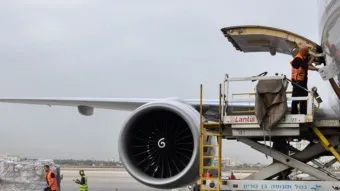
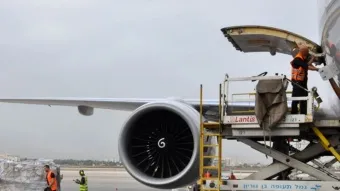
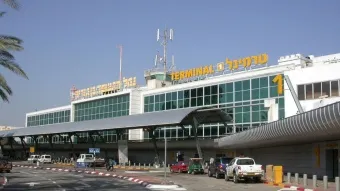
Ben Gurion Airport concludes 2025 as a year of significant growth in the air cargo sector. According to the Israel Airports Authority's annual report, 380,780 tons of cargo were handled during the year, representing a 9.51% increase compared to 2024.
The data indicates a clear distribution: approximately 73% of the cargo was transported via dedicated freighter aircraft (278,613 tons), while about 27% was carried as belly cargo in passenger planes (102,167 tons).
However, the real story of the year lies in the changing mix. While dedicated freighters maintain stability, "Belly Cargo" (cargo in passenger aircraft) is returning to center stage with triple-digit surges among foreign airlines.
The increase in cargo throughput, particularly in passenger aircraft bellies, reflects the renewed confidence of foreign airlines in the Israeli route. The reopening of wide-body routes has generated the capacity supply that had been missing from the market since early 2024, leading to price stabilization and improved lead times for importers.
Freighters: The Backbone of Air Trade
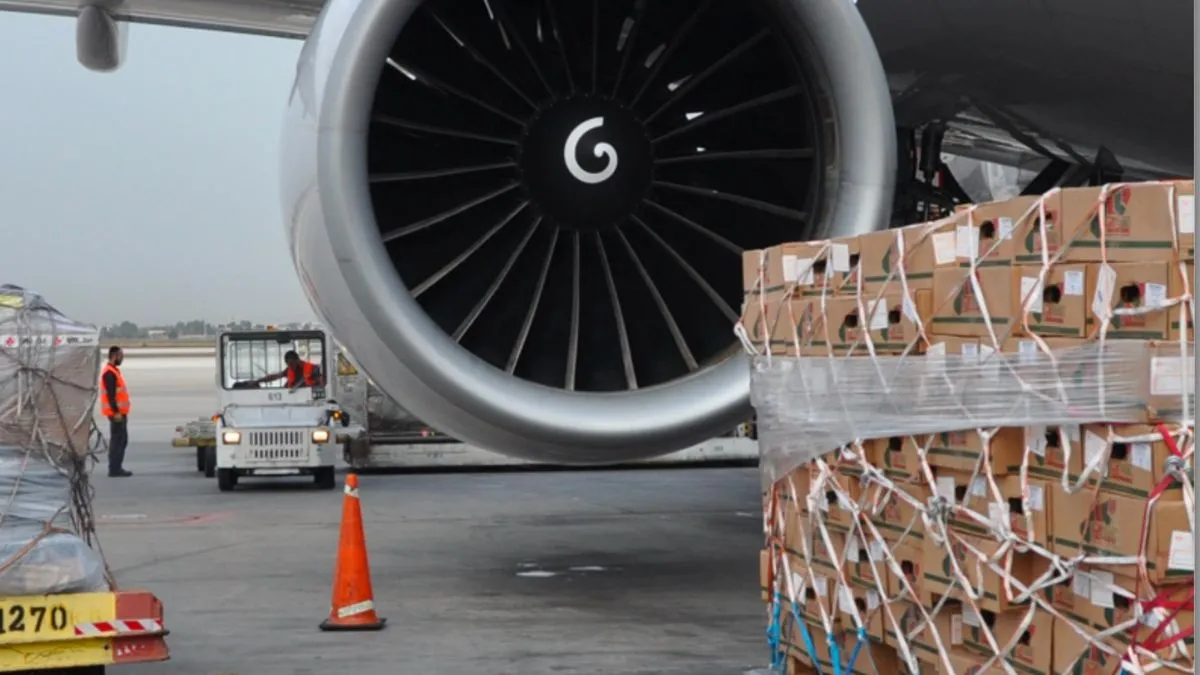
Dedicated freighters continue to lead despite the recovery in passenger aircraft, remaining the backbone of Israeli air trade. During 2025, 278,613 tons were transported via freighters, a 10.23% increase compared to the previous year. Overall, freighters account for approximately 73% of all cargo activity at Ben Gurion Airport.
In the dedicated freighter segment, 25,848 tons were handled this past December, representing an increase of approximately 14% compared to last year. Challenge Airlines (CAL) continues to lead the Israeli market, followed by El Al, which significantly strengthened its cargo operations.
Top 10 Ranking for Dedicated Freighters (Full Year 2025):
| Rank | Airline | Cargo Volume (Tons) | Market Share (%) | Change vs 2024 |
|---|---|---|---|---|
| 1 | Challenge Airlines (CAL) | 98,981 | 35.52% | +21.73% |
| 2 | European Air Transport | 38,153 | 13.69% | +1.94% |
| 3 | EL AL | 24,064 | 8.63% | +20.90% |
| 4 | Centrum Air | 22,505 | 8.07% | +34.61% |
| 5 | Silk Way West Airlines | 19,662 | 7.05% | -25.23% |
| 6 | Atlas Air | 12,160 | 4.36% | - |
| 7 | Federal Express (FedEx) | 11,308 | 4.05% | +10.53% |
| 8 | Lufthansa | 10,358 | 3.71% | +25.67% |
| 9 | National Airlines | 9,479 | 3.40% | -20% |
| 10 | Cargoair | 5,190 | 1.86% | - |
Passenger Aircraft (Belly Cargo): Sharp Recovery
The big news of 2025 is the return of Belly Cargo. One of the most interesting data points in the report concerns cargo transported in the bellies of passenger planes. With the return of many foreign airlines to Israel during 2025, cargo volume on these flights recorded a 7.58% increase, totaling 102,167 tons.
December alone provided a glimpse into this trend with an impressive 50.23% jump in belly cargo compared to December of the previous year. This trend is expected to strengthen with the anticipated entry of additional players offering significant cargo capacity on wide-body passenger flights.
Top 10 Ranking for Passenger Aircraft (Cumulative 2025):
| Rank | Airline | Cargo 2025 (Tons) | Market Share (%) | Change vs 2024 |
|---|---|---|---|---|
| 1 | EL AL | 59,589 | 58.32% | -13.37% |
| 2 | United Airlines | 7,332 | 7.17% | - |
| 3 | Hainan Airlines | 6,977 | 6.82% | +62.14% |
| 4 | Air France | 6,117 | 5.98% | +34.17% |
| 5 | Air Europa | 4,135 | 4.04% | +30.40% |
| 6 | flydubai | 2,269 | 2.22% | +33.86% |
| 7 | Etihad Airways | 1,829 | 1.79% | +166.61% |
| 8 | Azerbaijan Airlines | 1,647 | 1.61% | - |
| 9 | Arkia | 1,624 | 1.58% | - |
| 10 | Delta Airlines | 1,536 | 1.50% | - |
It is worth noting the meteoric growth of Etihad Airways, which recorded the sharpest jump in the top ten (166%+), becoming a significant gateway for Israeli cargo to Far East destinations.
Summary of Trends
The annual report emphasizes the importance of air capacity to the Israeli economy, with air imports in December standing at 25,001 tons compared to exports of 12,198 tons.
The return of players like United and Etihad to the top of the belly cargo rankings indicates a normalization of the supply chain and healthy competition that is expected to continue into 2026.