 Found it useful? Share
 Share on Facebook
 Share on X
 Share on LinkedIn
 Share via Email
 Share on WhatsApp
 Print Article
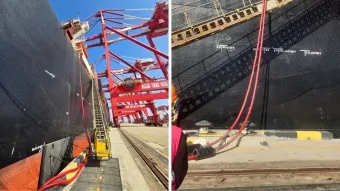
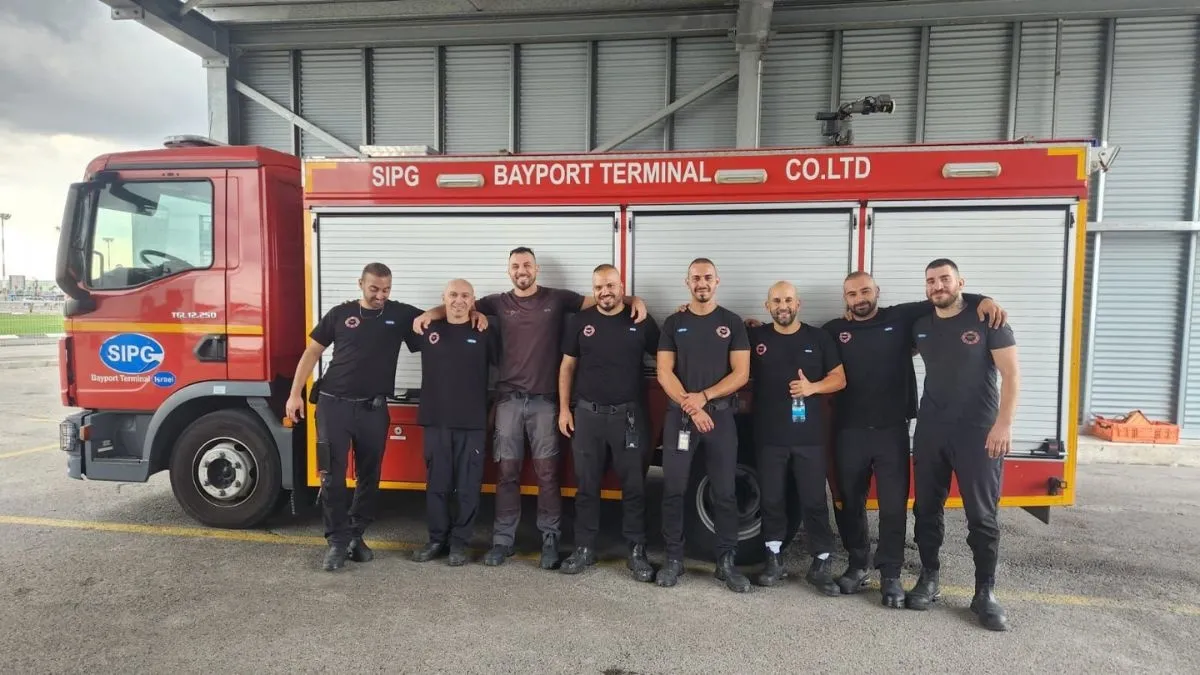
The first part of the training was dedicated to implementing new and advanced rescue equipment recently acquired, enabling a safer and more efficient response. In the second stage, participants moved to practical drills of complex scenarios throughout the port.
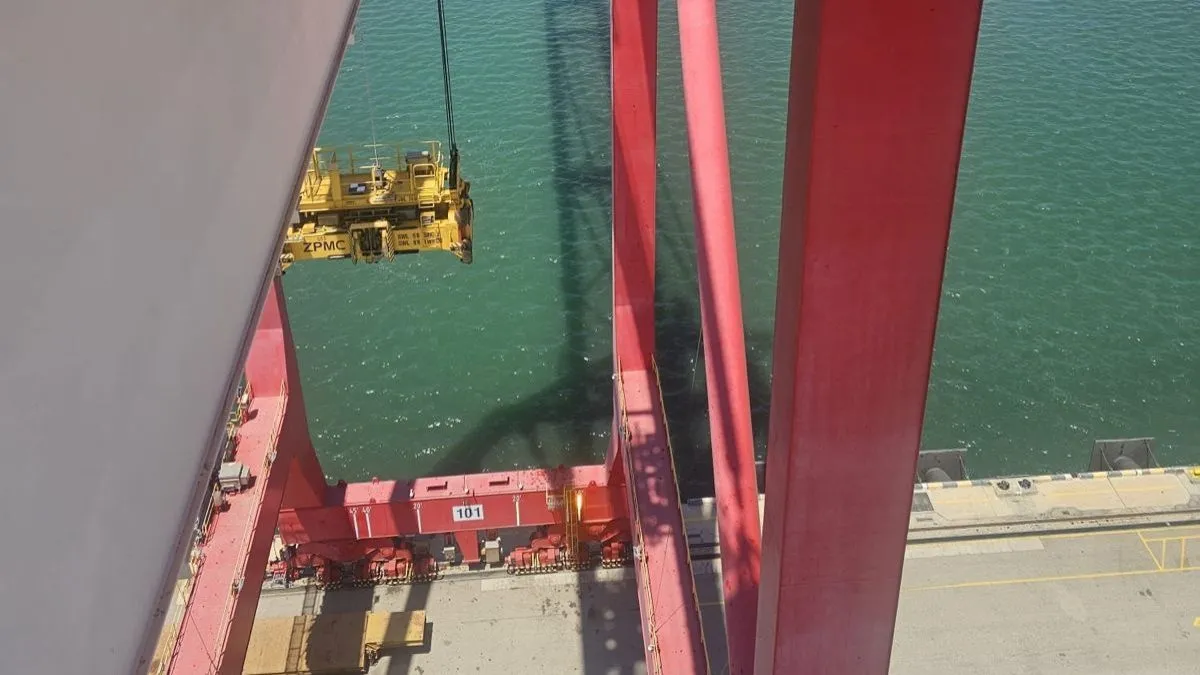
Special emphasis was placed on high-altitude rescue from STS (Ship-to-Shore) cranes, which are defined as the central vulnerability in the port in terms of access and rescue complexity. This training provided the team with advanced skills that do not exist in most equivalent emergency teams in other ports.
"Employee safety is our guiding light"
The exercise is not a one-time event but part of a rigorous annual training schedule designed to maintain and improve the operational readiness of the teams throughout the year. At the end of the exercise, the team expressed great satisfaction with the professional level and the learning outcomes.
Ayman Basha, the Team Manager, addressed the importance of maintaining operational continuity: "The safety of the employees and the port is our guiding light, and therefore we operate according to a rigorous annual training schedule. Training of this magnitude is essential to maintain high readiness, ensure the team is practiced in the deepest way, and allow us to operate in the field with maximum confidence and speed in real-time situations."
Grigory Chizikov, Manager of the Safety and Environmental Quality Department at the port, emphasized the tactical importance of the exercise: "The level of skill and determination of the emergency team is what tips the scales and ensures the protection of human life and the prevention of disasters in real-time. Beyond the practice on STS cranes, we placed great emphasis on operational versatility. We analyzed and practiced in the field how we apply these rescue methodologies effectively in other port facilities and areas as well, to ensure a continuous and complete response."
Bay Port officials clarify that they will continue to invest in advanced technological procurement, uncompromising safety, and consistent training to ensure the emergency team remains skilled, sharp, and ready to provide a life-saving response at any given moment.