

Haifa Port successfully completed the implementation of an updated version of its Terminal Operating System (TOS) over the last weekend. The TOS is the core system for managing port operations.
The new version of the TOS, produced by American company Kaleris, represents a technological leap and allows for work with an innovative system used by the world's most advanced ports. The upgrade is expected to improve operational efficiency, shorten cargo handling times, and upgrade the level of service provided to port customers.
The upgrade process began last Friday, December 19, and the port is ready to start working under the updated version from the coming week.
Yoav Margalit, Head of Container Terminals at Haifa Port, said: "This move puts Haifa Port on par with leading advanced ports in the world, and is expected to contribute significantly to improving the port's capabilities and operational processes, for the benefit of its customers and business partners."
Ron Gester, Deputy CEO of Information Systems, said: "Updating such a core system is not done at the push of a button, and it poses a challenge both to the port's computing and operational personnel and to Kaleris' experts. We are proud to say that the world's most advanced system in its field is now installed at Haifa Port."
The TOS (Terminal Operating System) at Haifa Port is an advanced operational computing system for managing port operations and serves as a central tool for planning, control, coordination, and execution of all cargo movements and equipment. This is a dedicated computer software that aggregates real-time information on terminal operations, improves its efficiency, shortens waiting times, optimally utilizes resources and the overall work planning of the port. The system provides real-time information on the location and type of cargo, timing of operations, coordination between different factors, and monitoring of ongoing operational activity.
Haifa Port Successfully Upgrades its TOS System
Haifa Port has successfully implemented an updated version of its Terminal Operating System (TOS), enhancing operational efficiency and service levels.
09:10 ,23.12.2025
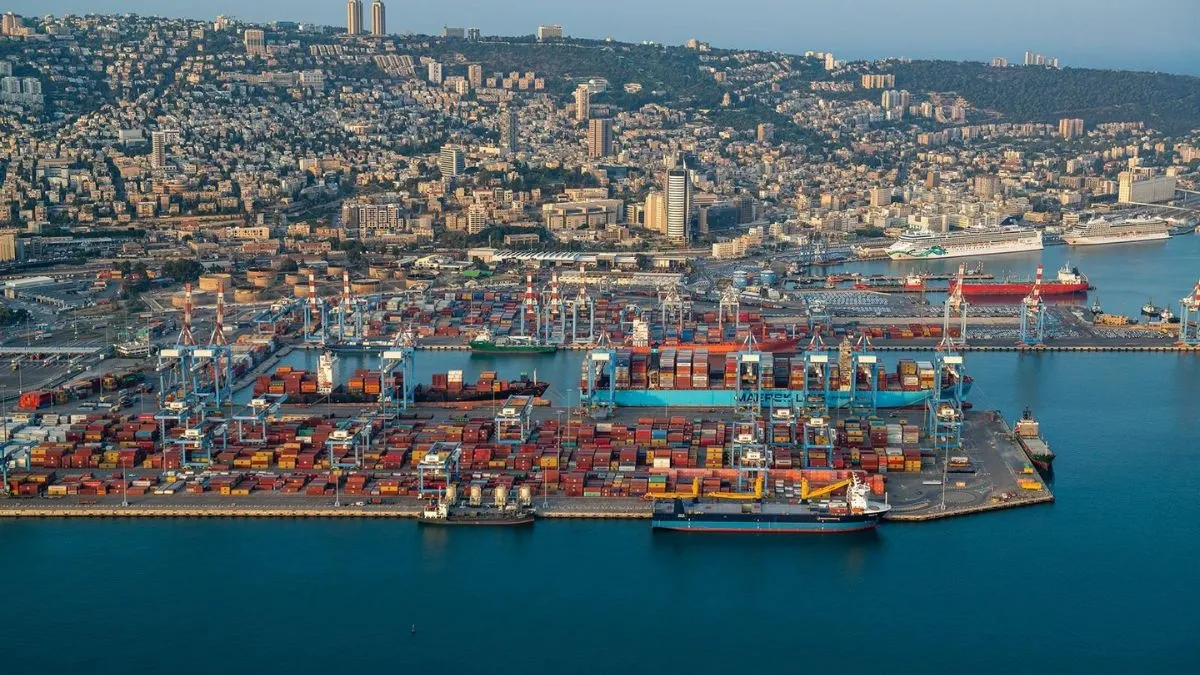
Haifa Port Successfully Upgrades its TOS System
-
 Found it useful? Share
-
 Share on Facebook
-
 Share on X
-
 Share on LinkedIn
-
 Share via Email
-
 Share on WhatsApp
-
 Print Article
Found it useful? Share
Related
 01.12.2025
Haifa Port Restructuring Plan to be Approved by the Government
 24.11.2025
Adani-Gadot Group Finalizes Haifa Port Refinancing Deal
 04.08.2025
Labor Dispute Declared at Haifa Port by Union
 10.07.2025
Indian Ambassador Visits Haifa Port
 20.05.2025
National Infrastructure Committee Advances Haifa Port East Development
 20.05.2025
Houthi Rebels Declare Naval Blockade on Haifa Port