 Found it useful? Share
 Share on Facebook
 Share on X
 Share on LinkedIn
 Share via Email
 Share on WhatsApp
 Print Article
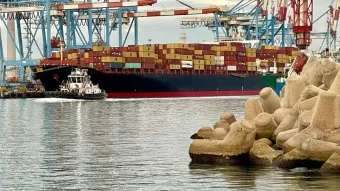
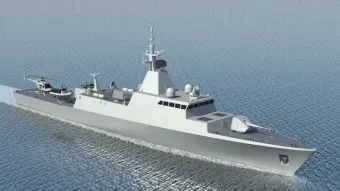
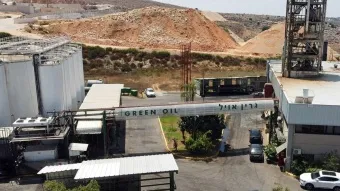
Israel Shipyards Industries Group held an investors' conference at the company's site in Haifa, with the participation of controlling shareholders Shlomi Fogel, Sami Katsav, and Asi Schmelzer, and Group CEO Zvika Shechterman. During the conference, the group's growth engines across all sectors were presented, including Israel Shipyards Port, the Ciment cement company, the new grain unloading and storage silo facility, the \"Reshef\" class corvette project, and the expansion of logistics operations.
Company management informed investors that, in accordance with its business strategy, it is examining various alternatives for expanding its vessel production array to international markets. The shipyard site in Haifa will continue to serve as the primary production base, but the company is working to locate complementary production infrastructure abroad to provide additional capacity, enable the acquisition of large-scale projects, and expose the group to new business opportunities, while continuing to provide a full response to Israeli Ministry of Defense and Navy projects.
The move comes against the backdrop of the shipyard's accelerated expansion over the past year. Alongside the \"Reshef\" project, valued at approximately NIS 2.4 billion, the company signed an agreement in October worth about €80 million to supply vessels and services to a foreign government customer, following a February agreement worth about $62 million with another international government customer. Simultaneously, the company's international activity includes reaching the final stage in the tender to acquire the Port of Lavrion in Greece.
In the field of logistics, the company presented the potential inherent in the IMEC project—the planned trade corridor between India and Europe via the Middle East, combining maritime and land transport routes. Israel Shipyards estimates that the gradual operation of the corridor's first segments will open new trade routes for grains and their products. The new silo system at the port, established with an investment of approximately NIS 320 million and featuring a current storage capacity of 65,000 cubic meters with expansion potential to 110,000 cubic meters, is expected to integrate with the company's vessel fleet and the planned connection to the national rail network to provide advanced unloading, storage, and transport services in the region.