 Found it useful? Share
 Share on Facebook
 Share on X
 Share on LinkedIn
 Share via Email
 Share on WhatsApp
 Print Article
The Knesset Economic Committee approved on Monday the second and third readings of a government bill requiring owners of significant wheat and animal feed stocks to submit regular monthly reports to the Israeli Ministry of Agriculture and Food Security. The law aims to rectify a situation described by professionals as "total darkness" regarding stock availability in private warehouses and silos, which hindered operational decision-making during geopolitical crises or maritime supply chain disruptions.
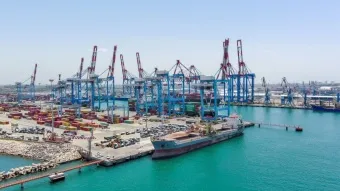
During the discussions, representatives from the Ministry of Agriculture explained that the existing system for managing emergency stocks has failed, and that events such as wars, pandemics, and port strikes caused stock depletions without sufficient warning. According to the Food Security Administration, precise knowledge of operational and strategic stocks will allow the state to prioritize the berthing of feed and wheat vessels at ports during times of stress, ensuring functional continuity for the production of bread and bakery products, as well as the supply of milk, eggs, and meat. The new law will take effect within four months of its publication to allow the ministry to establish a dedicated IT system that ensures the security of sensitive information.
The central issue during the committee's discussions was the protection of trade secrets for private companies and flour mills. Representatives of the Manufacturers Association of Israel expressed fundamental support for increasing emergency stocks but demanded strict procedures to prevent information leaks that could harm market competition. In response, the Ministry of Agriculture clarified that the system to be established will be protected at a high cyber-security level, and access to data will be limited to a small number of authorized personnel. Furthermore, it was emphasized that the bill deals with reporting only and does not change the existing powers of the National Emergency Management Authority (NEMA) regarding the requisitioning of stocks during emergencies in exchange for compensation.
On the logistical front, the Manufacturers Association proposed a model to the Ministry of Agriculture for improving stock quality by storing wheat near flour mills, which would allow for immediate use without depending on complex inland transport from the ports during an emergency. This current regulatory move reflects the state's recognition of Israel's status as an "island nation" almost entirely dependent on maritime imports and marks a transition from static inventory management to dynamic management based on real-time data, as part of the lessons learned from recent events in ports and combat zones.